The Ultimate Guide To Growing A Raised Bed Herb Garden
Title: The Ultimate Guide to Growing a Raised Bed Herb Garden
Introduction:
Herbs are a great way to add flavor to your food, and they're also very easy to grow. If you're looking for a way to get started with herb gardening, a raised bed is a great option. Raised beds are easy to care for, and they can be customized to fit your needs.
In this guide, we'll walk you through the process of creating and maintaining a raised bed herb garden. We'll cover everything from choosing the right location to planting the right herbs. By the end of this guide, you'll be well on your way to growing your own delicious and fragrant herb garden.
Main Content:
1. Choosing the Right Location
The first step in creating a raised bed herb garden is choosing the right location. Herbs need full sun, so you'll want to find a spot in your yard that gets at least 6 hours of sunlight per day. You'll also want to make sure that the location is well-drained. Herbs don't like wet feet, so avoid planting them in low-lying areas or areas that are prone to flooding.
2. Building the Raised Bed
Once you've chosen a location, you'll need to build the raised bed. There are many different ways to build a raised bed, but the most important thing is to make sure that it's at least 12 inches high. This will help to improve drainage and prevent the roots of your herbs from getting too wet.
You can build your raised bed out of wood, bricks, or concrete blocks. If you're using wood, make sure to use pressure-treated lumber to prevent rot. If you're using bricks or concrete blocks, make sure that the joints are sealed to prevent water from seeping in.
3. Filling the Raised Bed
Once the raised bed is built, you'll need to fill it with soil. The best type of soil for a raised bed herb garden is a well-draining potting mix that's rich in organic matter. You can buy potting mix at most garden centers, or you can make your own by mixing equal parts compost, peat moss, and perlite.
4. Planting the Herbs
Once the raised bed is filled with soil, you're ready to plant your herbs. When choosing herbs for your garden, keep in mind the amount of sun and water they need. Some herbs, such as basil and rosemary, need full sun, while others, such as mint and parsley, can tolerate partial shade.
When planting your herbs, be sure to space them according to the instructions on the plant tag. This will help to ensure that they have enough room to grow.
5. Caring for the Herb Garden
Once your herbs are planted, you'll need to care for them regularly. This includes watering, fertilizing, and weeding.
Herbs need to be watered regularly, especially during hot weather. You should water them deeply so that the water reaches the roots.
Herbs also need to be fertilized regularly. You can use a balanced fertilizer, such as 10-10-10, or you can use a fertilizer specifically designed for herbs.
Finally, you'll need to weed your herb garden regularly. This will help to prevent weeds from competing with your herbs for water and nutrients.
Conclusion:
Growing a raised bed herb garden is a great way to add flavor to your food and enjoy the benefits of fresh herbs. By following the tips in this guide, you'll be well on your way to creating a beautiful and productive herb garden.
Are you interested in learning more about raised bed herb gardens? If so, I recommend visiting Home Gardening. This website has a wealth of information on the topic, including:
- How to choose the right location for your raised bed
- What materials you need to build your raised bed
- How to plant and care for your herbs
- Pest and disease control
- And more!
I've found Home Gardening to be a very informative and helpful resource. If you're serious about starting a raised bed herb garden, I highly recommend checking it out.
FAQ of raised bed herb garden
- What are the benefits of using a raised bed for herbs?
There are many benefits to using a raised bed for herbs. First, raised beds are easier to weed and maintain than traditional in-ground gardens. Second, raised beds can be located in areas that are not suitable for in-ground gardening, such as areas with poor drainage or heavy clay soil. Third, raised beds can be customized to the specific needs of the herbs you are growing. For example, you can adjust the depth of the bed to accommodate the root depth of the herbs you are growing.
- What size should a raised bed be for herbs?
The size of your raised bed will depend on the number of herbs you plan to grow. However, a good rule of thumb is to make your bed at least 3 feet wide and 4 feet long. This will give you enough space to grow a variety of herbs without overcrowding them.
- What type of soil should I use for a raised bed herb garden?
Herbs need well-draining soil that is rich in organic matter. A good potting mix that is specifically designed for herbs is a good option. You can also make your own potting mix by mixing equal parts of compost, peat moss, and perlite.
- What herbs should I grow in a raised bed?
There are many herbs that are well-suited for raised beds. Some popular choices include basil, chives, cilantro, mint, oregano, parsley, rosemary, and thyme. These herbs are all relatively easy to grow and require full sun.
- How do I care for a raised bed herb garden?
The care of a raised bed herb garden is relatively simple. Water your herbs regularly, especially during hot, dry weather. Fertilize your herbs every few months with a balanced fertilizer. And don't forget to harvest your herbs regularly!
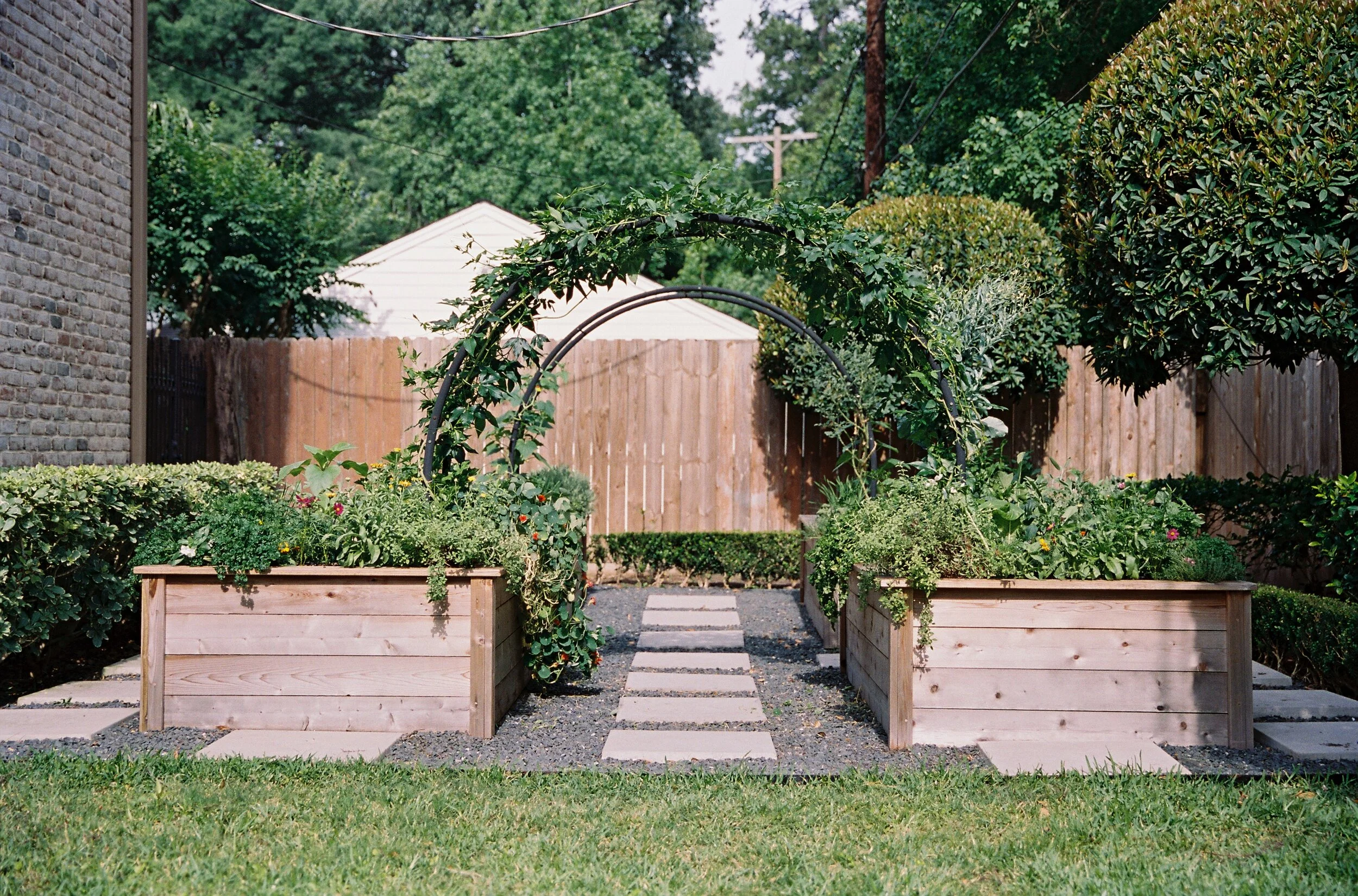
Image of raised bed herb garden
10 different images of raised bed herb gardens that are free to use:
- A small raised bed herb garden with a variety of herbs, including basil, rosemary, thyme, and oregano.
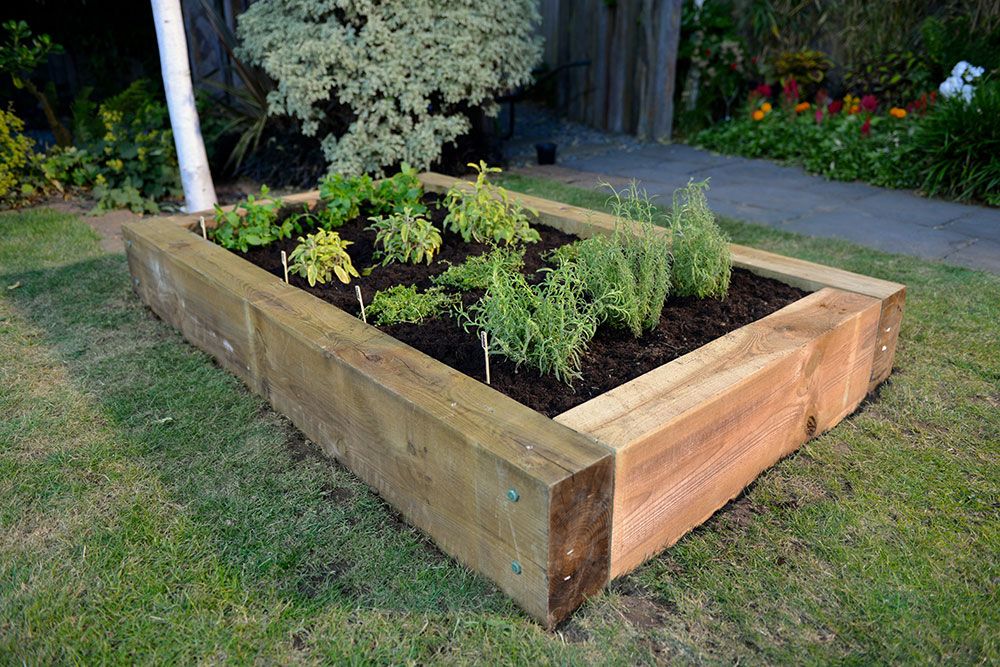
- A long, rectangular raised bed herb garden with a wooden border.
- A raised bed herb garden with a variety of herbs planted in a spiral design.

- A raised bed herb garden with a trellis for climbing herbs.
- A raised bed herb garden with a variety of herbs planted in different colors.
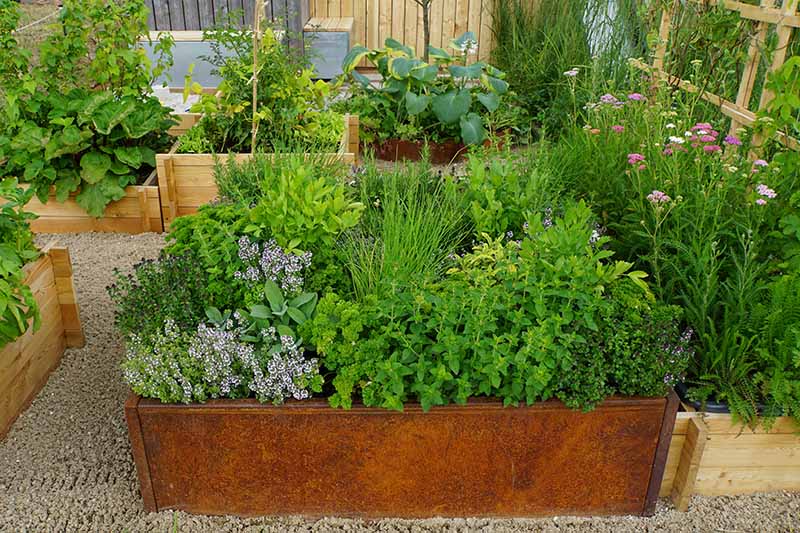
- A raised bed herb garden with a water feature.

- A raised bed herb garden with a bench for sitting.
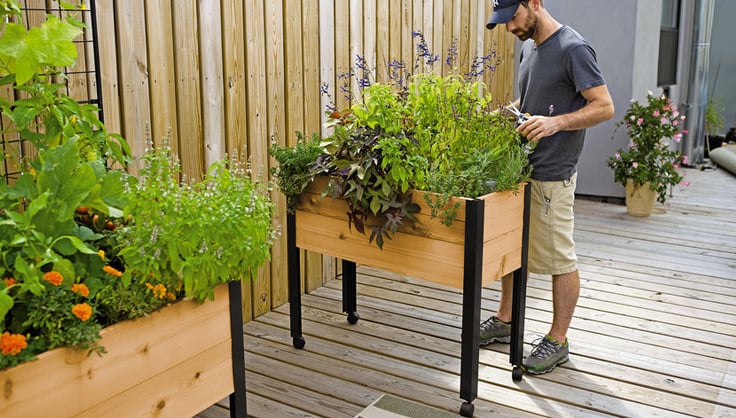
- A raised bed herb garden with a birdbath.
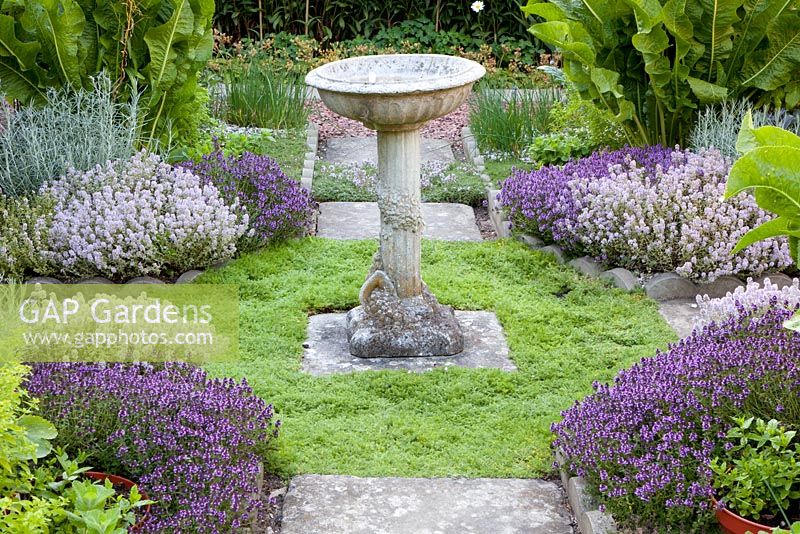
- A raised bed herb garden with a solar light.

- A raised bed herb garden with a chalkboard for labeling the herbs.


Post a Comment for "The Ultimate Guide To Growing A Raised Bed Herb Garden"