Hydrangea Flowers: The Ultimate Guide
Hydrangea Flowers: The Ultimate Guide
Hydrangeas are one of the most popular flowering shrubs in the world. They are known for their large, showy blooms that come in a variety of colors, including blue, pink, white, and purple. Hydrangeas are also relatively easy to care for, making them a good choice for both experienced and beginner gardeners.
In this guide, we will discuss everything you need to know about hydrangeas, from choosing the right variety for your garden to planting, caring for, and propagating them. We will also cover some of the most common problems that hydrangeas can face, and how to troubleshoot them.
Choosing the Right Variety
There are many different varieties of hydrangeas available, so it is important to choose one that is suited to your climate and growing conditions. Some factors to consider include:
- Sun exposure: Hydrangeas can tolerate a range of sun exposure, but most prefer morning sun and afternoon shade.
- Soil type: Hydrangeas prefer well-drained, acidic soil. If your soil is alkaline, you can amend it with peat moss or sulfur.
- Hardiness zone: Hydrangeas are hardy in USDA zones 3-9.
Once you have considered these factors, you can start to narrow down your choices. Here are a few popular varieties of hydrangeas to get you started:
- H. macrophylla: This is the most common type of hydrangea. It has large, round blooms that can be blue, pink, or white.
- H. paniculata: This type of hydrangea has panicles, or cone-shaped, blooms. It is known for its long-lasting flowers.
- H. arborescens: This type of hydrangea is native to North America. It has smaller flowers than H. macrophylla, but it is more cold-hardy.
Planting Hydrangeas
The best time to plant hydrangeas is in the spring or fall. When planting, dig a hole that is twice as wide as the root ball and just as deep. Backfill the hole with soil, tamping it down gently. Water the hydrangea well, and mulch around the base of the plant to help retain moisture.
Caring for Hydrangeas
Hydrangeas are relatively easy to care for. They need regular watering, especially during the first year after planting. You should also fertilize hydrangeas once a year in the spring. Use a fertilizer that is specifically formulated for hydrangeas.
In the fall, after the blooms have faded, you should prune hydrangeas. This will help to shape the plant and encourage new growth the following year.
Troubleshooting Hydrangea Problems
Hydrangeas are generally problem-free plants. However, there are a few issues that you may encounter.
- Leaf scorch: This is a common problem that occurs when hydrangeas are planted in too much sun. The leaves will turn brown and crispy. To prevent leaf scorch, plant hydrangeas in a location that receives morning sun and afternoon shade.
- Powdery mildew: This is a fungal disease that causes a white, powdery coating on the leaves. To treat powdery mildew, you can use a fungicide.
- Aphids: These small insects can suck the sap out of hydrangea leaves, causing them to wilt and curl. To control aphids, you can use insecticidal soap or neem oil.
Propagating Hydrangeas
Hydrangeas can be propagated by taking cuttings. This is a relatively easy process. In the spring, take a 6-8 inch cutting from a healthy hydrangea plant. Remove the lower leaves from the cutting, and dip the end in rooting hormone. Plant the cutting in a pot of well-drained soil. Keep the soil moist, and the cutting should root in a few weeks.
Conclusion
Hydrangeas are beautiful and easy-to-care-for shrubs that can add a touch of elegance to any garden. With proper care, hydrangeas will thrive for many years to come.
The hydrangea is a beautiful flower that is native to both Asia and the Americas. It was first cultivated in Japan, and its name comes from the Greek words "hydor" (water) and "angeron" (vase), which refers to the flower's water-filled petals. Hydrangeas come in a variety of colors, including blue, pink, purple, and white. They are often used in gardens and flower arrangements, and they can also be dried for use in potpourris.
If you are interested in learning more about hydrangeas, I recommend visiting the . This website has a wealth of information about hydrangeas, including their history, cultivation, and care. You can also find photos of different types of hydrangeas, as well as tips on how to grow them in your own garden.
FAQ of hygendra flower
1. What are hydrangea flowers known for?
Hydrangeas are known for their large, beautiful blooms. The flowerheads look like pom poms growing on bushes that can get as tall as trees. They come in a variety of different colors, including blue, pink, purple, and white. Hydrangeas are also known for their long lifespan, sometimes living for up to 50 years if properly cared for.
2. What is the meaning of hydrangea flowers?
Hydrangeas have a variety of meanings depending on the culture. In some cultures, they are seen as a symbol of gratitude, while in others they represent change or impermanence. In general, hydrangeas are seen as a symbol of beauty and good luck.
3. What are the different types of hydrangea flowers?
There are over 70 different species of hydrangea flowers, but the most common types are mophead hydrangeas, lacecap hydrangeas, and panicle hydrangeas. Mophead hydrangeas have large, rounded flowerheads, while lacecap hydrangeas have smaller, more delicate flowerheads with a lacy appearance. Panicle hydrangeas have tall, upright flower spikes.
4. How do you care for hydrangea flowers?
Hydrangeas are relatively easy to care for, but they do need some special attention. They prefer full sun to partial shade, and they need well-drained soil. Hydrangeas also need to be watered regularly, especially during hot, dry weather.
5. What are some common problems with hydrangea flowers?
Some common problems with hydrangea flowers include leaf spot, powdery mildew, and aphids. Leaf spot is a fungal disease that causes brown spots on the leaves. Powdery mildew is a fungal disease that causes a white powdery coating on the leaves. Aphids are small, sap-sucking insects that can damage the leaves and flowers.
Image of hygendra flower
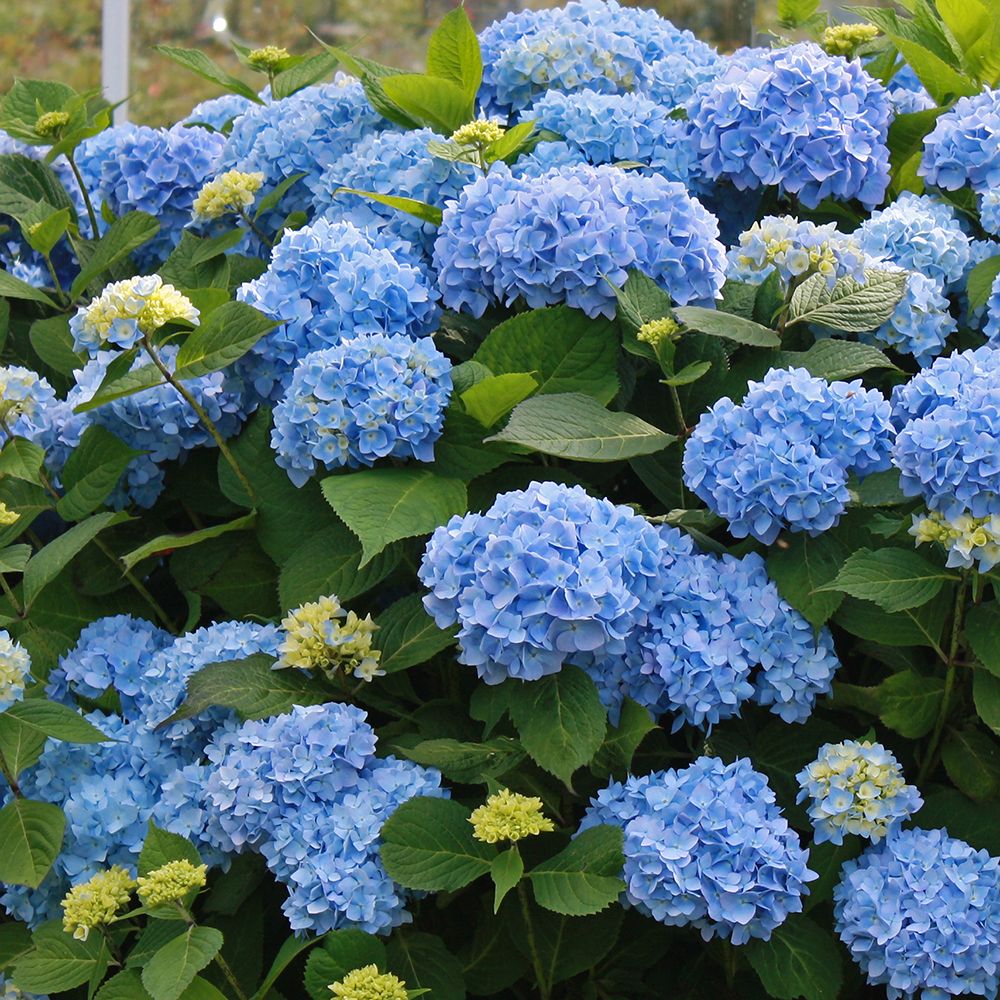
- Blue hydrangea: This type of hydrangea is the most common, and it blooms in shades of blue, pink, and purple. The color of the flowers depends on the acidity of the soil.
- Pink hydrangea: This type of hydrangea blooms in shades of pink, lavender, and white. It is a bit more rare than blue hydrangeas, but it is just as beautiful.

- White hydrangea: This type of hydrangea blooms in shades of white, cream, and green. It is a popular choice for weddings and other special events.
- Green hydrangea: This type of hydrangea is a bit more rare, but it is very striking. The flowers can be a deep green or a light chartreuse.
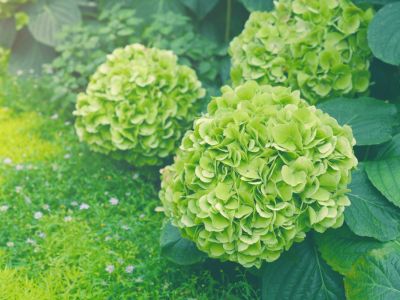
- Mophead hydrangea: This type of hydrangea has large, rounded flowers that resemble mopheads. It is a popular choice for gardens and landscaping.
Post a Comment for "Hydrangea Flowers: The Ultimate Guide"