Climbing Rose Companion Plants That Will Make Your Garden Bloom
Climbing Rose Companion Plants That Will Make Your Garden Bloom
Roses are a classic garden flower, and for good reason. They're beautiful, fragrant, and come in a wide variety of colors and shapes. But if you want your roses to reach their full potential, you need to plant them with the right companion plants.
Companion planting is the practice of planting different types of plants together in order to benefit each other. When you choose the right companion plants for your roses, you can improve their health, increase their blooms, and deter pests and diseases.
Here are some of the best climbing rose companion plants:
- Lavender: Lavender is a classic companion plant for roses, and for good reason. It's not only beautiful, but it also has insect-repelling properties. Lavender can help to keep aphids, spider mites, and other pests away from your roses.
- Catmint: Catmint is another great companion plant for roses. It's a hardy plant that can tolerate some shade, making it ideal for planting under rose bushes. Catmint also attracts pollinators, such as bees and butterflies, which can help to pollinate your roses.

- Yarrow: Yarrow is a low-maintenance plant that can add a touch of color to your rose garden. It's also a good source of nectar for pollinators, and it can help to repel pests, such as aphids and Japanese beetles.
- Marigolds: Marigolds are another great option for companion plants for roses. They're not only beautiful, but they also have insect-repelling properties. Marigolds can help to keep aphids, nematodes, and other pests away from your roses.
- Alliums: Alliums, such as chives, garlic, and onions, are also good companion plants for roses. They have strong scents that can help to repel pests, such as aphids and spider mites. Alliums can also help to improve the soil, making it more fertile and draining.
- Phlox: Phlox is a beautiful flowering plant that can add a touch of color to your rose garden. It's also a good source of nectar for pollinators, and it can help to deter pests, such as aphids and Japanese beetles.
- Coneflowers: Coneflowers are a tall, stately plant that can add a touch of drama to your rose garden. They're also a good source of nectar for pollinators, and they can help to deter pests, such as deer and rabbits.

When choosing companion plants for your roses, it's important to consider the following factors:
- Sunlight: Roses need full sun, so make sure to choose companion plants that also require full sun.
- Water: Roses need regular watering, so choose companion plants that have similar water requirements.
- Soil type: Roses prefer well-draining soil, so choose companion plants that also prefer well-draining soil.
- Pests and diseases: Consider the pests and diseases that are common in your area, and choose companion plants that can help to deter them.
By following these tips, you can choose the right companion plants for your roses and create a beautiful, healthy garden.
Climbing roses are a beautiful addition to any garden, but they can be susceptible to pests and diseases. One way to help protect your climbing roses is to plant companion plants. Companion plants are those that benefit each other in some way. For example, some companion plants can help to repel pests, while others can improve the soil quality.
There are many different companion plants that can be grown with climbing roses. Some popular options include:
- Lavender: Lavender is a fragrant herb that repels pests such as aphids and Japanese beetles. It also attracts bees and butterflies, which help to pollinate the roses.
- Catmint: Catmint is a low-growing herb that has blue or purple flowers. It attracts beneficial insects such as lacewings and ladybugs, which help to control pests.
- Alliums: Alliums, such as chives, onions, and garlic, have strong scents that repel pests. They also help to improve the soil quality.
- Geraniums: Geraniums are colorful flowers that attract pollinators. They also help to deter pests such as aphids and spider mites.
For more information about climbing rose companion plants, please visit Gardenia Inspiration. This website has a comprehensive list of companion plants, as well as tips on how to plant and care for them.
FAQ of climbing rose companion plants
1. What are the benefits of planting companion plants with climbing roses?
There are many benefits to planting companion plants with climbing roses. Some of the most common benefits include:
- Improved soil health: Companion plants can help to improve the soil health around climbing roses by adding nutrients, reducing pests and diseases, and improving drainage.
- Attraction of pollinators: Companion plants can attract pollinators such as bees and butterflies, which help to pollinate the climbing roses and produce more flowers.
- Increased visual appeal: Companion plants can add color, texture, and interest to the garden, and can help to create a more balanced and aesthetically pleasing landscape.
- Disease and pest control: Some companion plants can help to repel pests and diseases that can harm climbing roses. For example, marigolds are known to repel nematodes, and lavender can help to deter aphids.
2. What are some good companion plants for climbing roses?
Some good companion plants for climbing roses include:
- Marigolds: Marigolds are a great companion plant for climbing roses because they help to repel nematodes, which can be a major pest for roses.
- Lavender: Lavender is another good companion plant for climbing roses because it helps to deter aphids.
- Bee balm: Bee balm is a flowering plant that attracts pollinators, which help to pollinate the climbing roses.
- Geraniums: Geraniums are a colorful and hardy plant that can add a pop of color to the garden.
- Pansies: Pansies are a cool-season flowering plant that can add color to the garden in early spring and fall.
3. How far apart should companion plants be planted from climbing roses?
The distance between companion plants and climbing roses will vary depending on the size of the plants. However, as a general rule of thumb, companion plants should be planted at least 12 inches away from climbing roses. This will give the plants enough space to grow and thrive.
4. What are some things to avoid when planting companion plants with climbing roses?
There are a few things to avoid when planting companion plants with climbing roses. These include:
- Planting companion plants that compete with climbing roses for water and nutrients.
- Planting companion plants that are susceptible to the same pests and diseases as climbing roses.
- Planting companion plants that have invasive roots.
5. Where can I find more information about climbing rose companion plants?
There are a number of resources available to learn more about climbing rose companion plants. These include:
- Books: There are a number of books available that specifically address the topic of climbing rose companion plants. Some popular titles include "The Rose Garden Companion" by Barbara Damrosch and "Roses for Every Garden" by David Austin.
- Online resources: There are a number of websites that offer information about climbing rose companion plants. Some popular websites include the University of California Cooperative Extension website and the Dave's Garden website.
- Garden centers: Many garden centers have staff members who can offer advice on climbing rose companion plants.
Image of climbing rose companion plants
- Clematis: Clematis is a flowering vine that is often used as a companion plant for climbing roses. It blooms in a variety of colors, and its flowers can be large and showy. Clematis is also a relatively easy plant to care for.
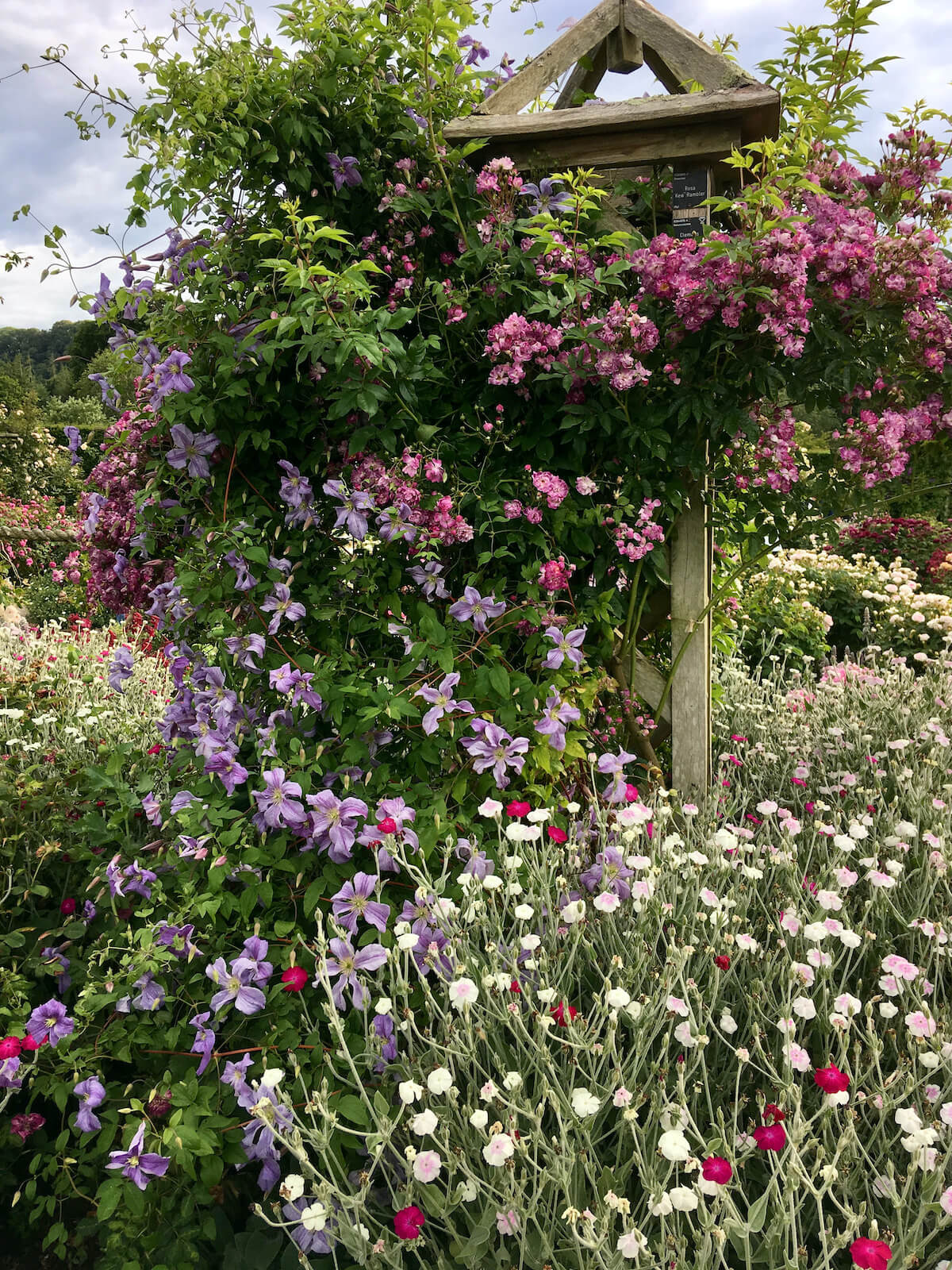
- Ajuga: Ajuga is a ground cover plant that is known for its attractive blue flowers. It is also a good choice for companion planting with climbing roses because it can help to suppress weeds and create a lush, green backdrop for the roses.

- Lavender: Lavender is a fragrant herb that is often used in companion planting. It can help to deter pests and diseases from climbing roses, and it also adds a touch of beauty and elegance to the garden.
- Geranium: Geraniums are another type of flowering plant that is often used as a companion plant for climbing roses. They come in a variety of colors, and they can help to attract pollinators to the garden.
- Iris: Iris is a spring-blooming flower that is known for its beautiful blooms. It is also a good choice for companion planting with climbing roses because it can help to add some height and interest to the garden.

Post a Comment for " Climbing Rose Companion Plants That Will Make Your Garden Bloom"